HOPE (IT’S MY TRAUMA)
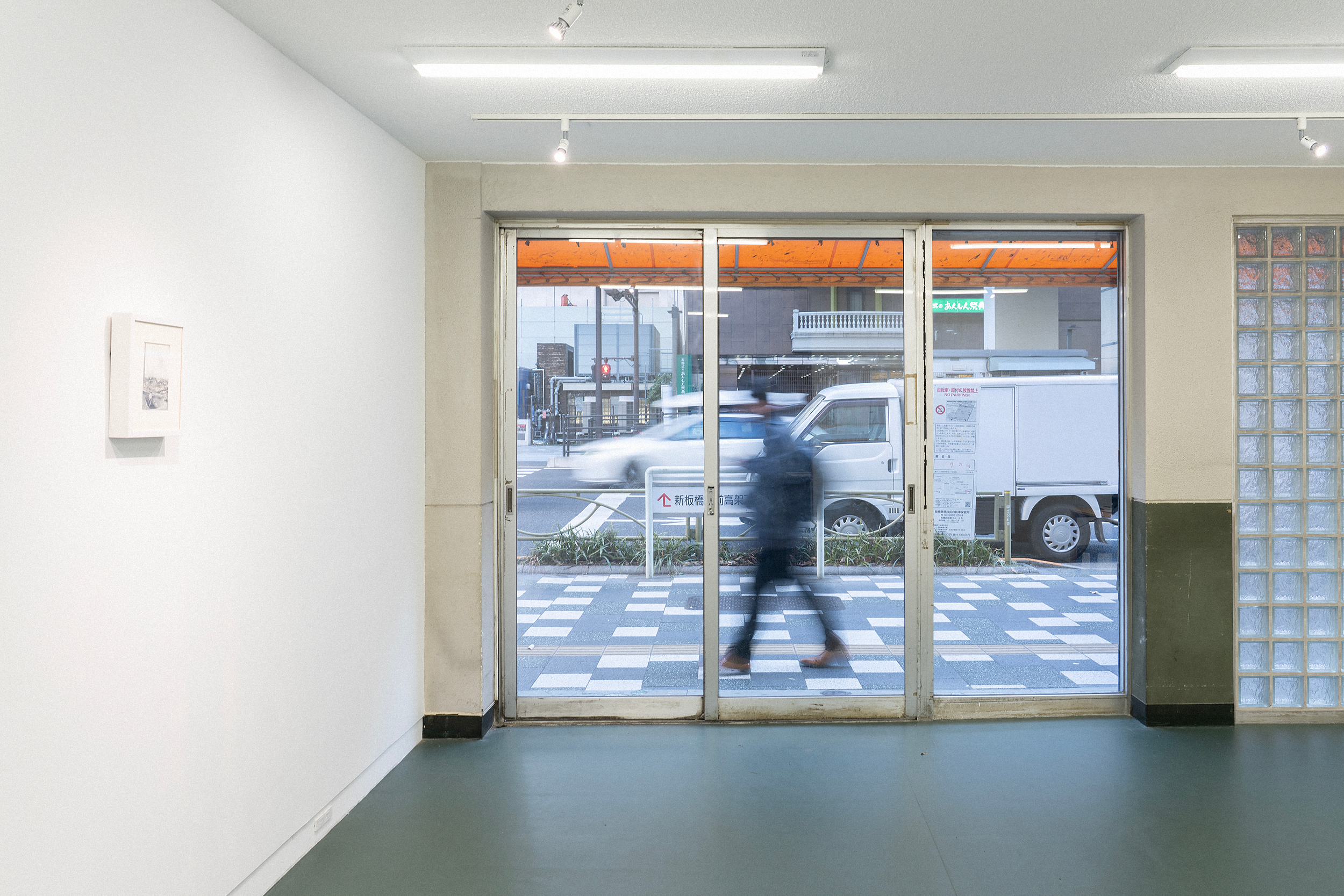
HOPE (IT'S MY TRAUMA), 2026, Selected Solo Exhibition, COPYCENTER GALLERY
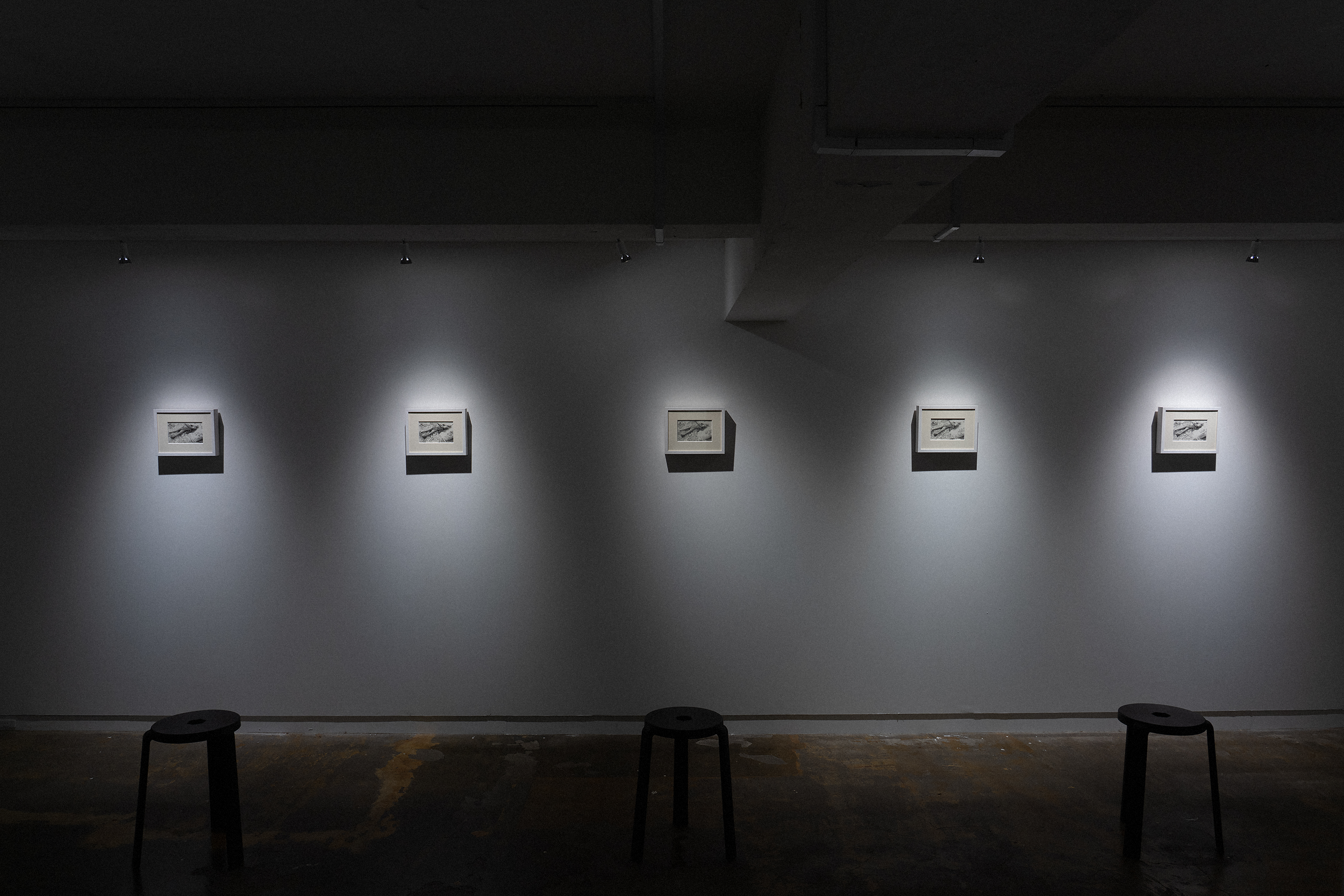
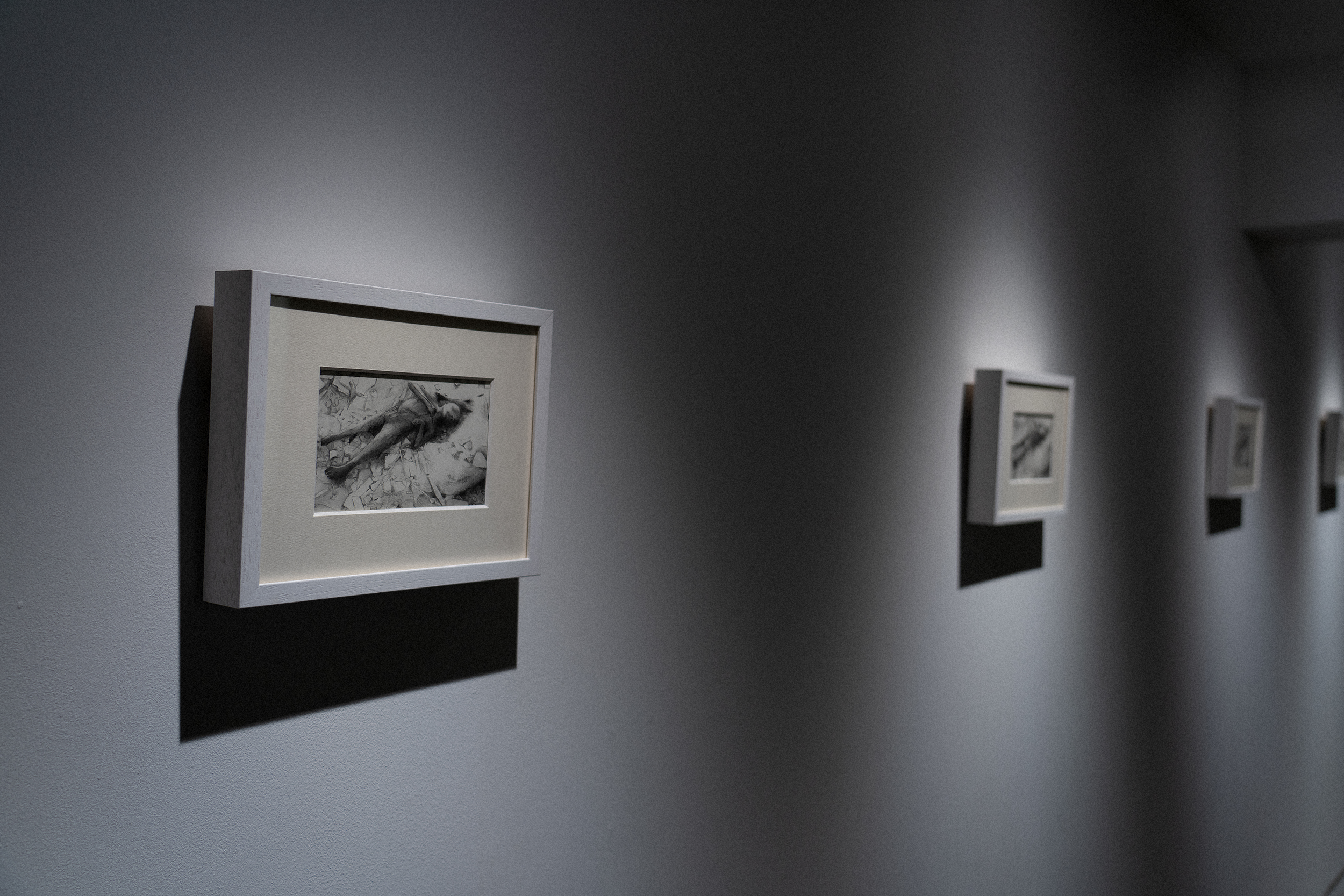
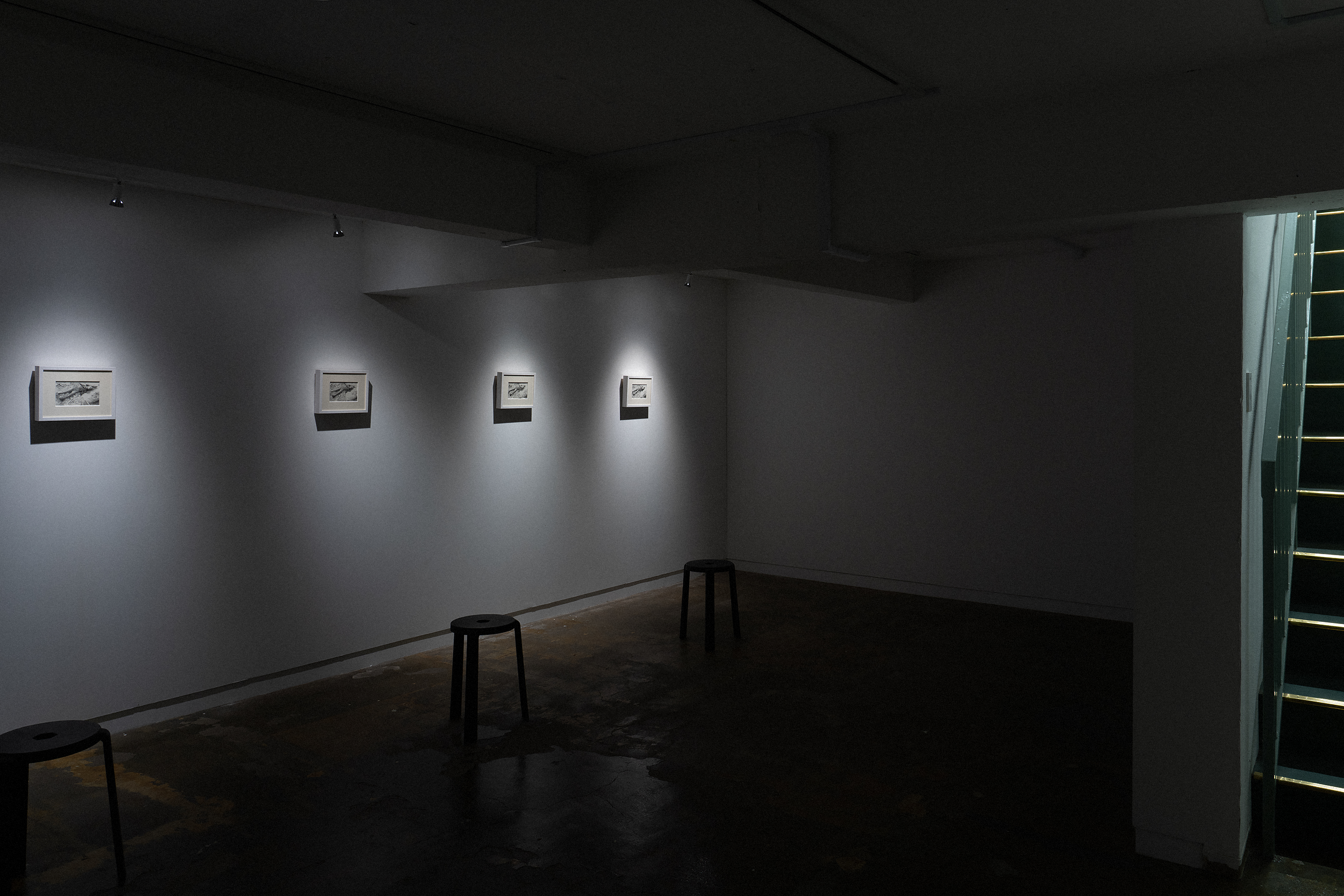
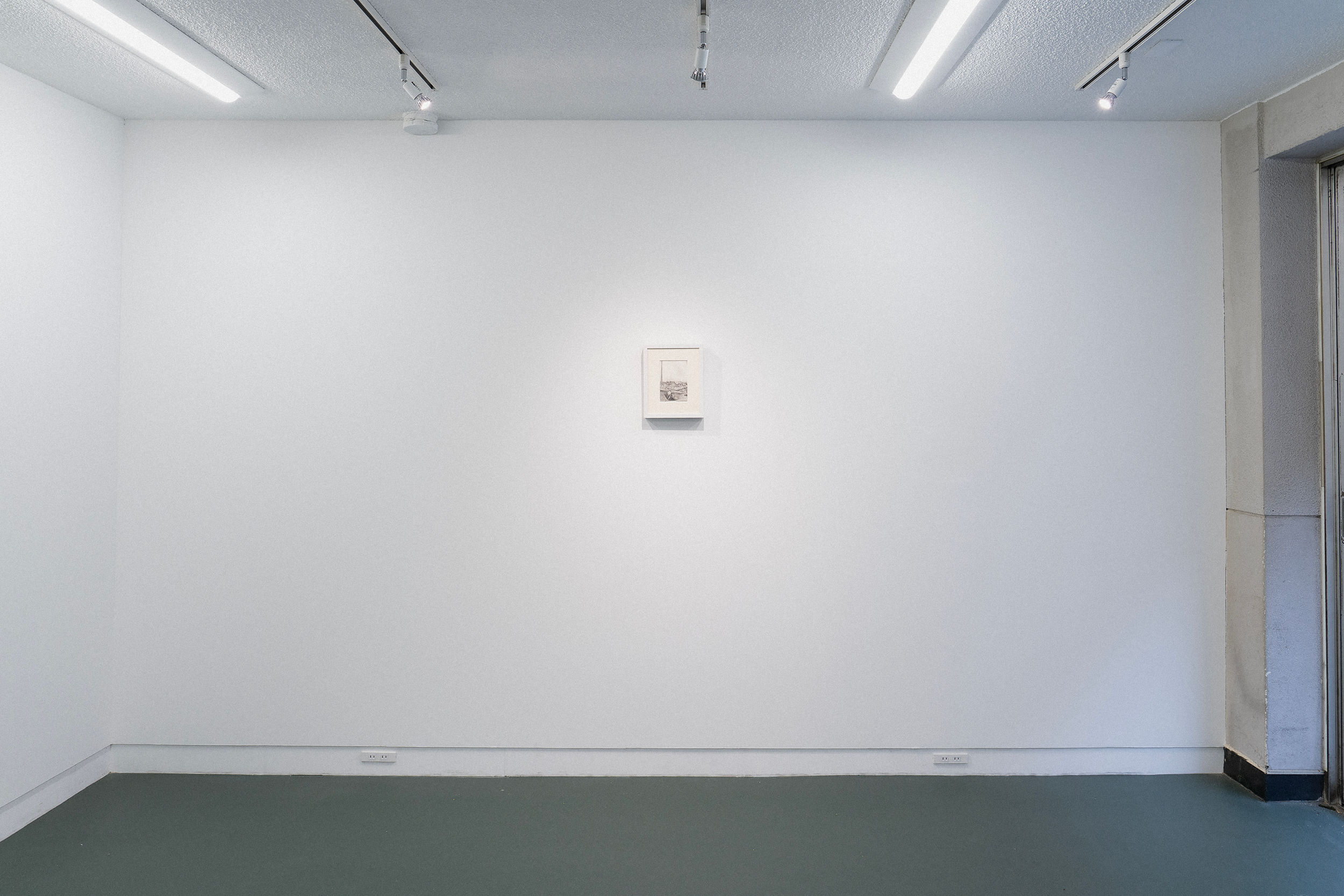
HOPE (IT'S MY TRAUMA), 2026, Installation view at COPYCENTER GALLERY
Ai Ohashi (b. 1993, Kanagawa) is an artist whose practice exposes the violent systems inherent in Japanese society and the family structure through the lens of her own traumatic personal experiences.
Following her second solo exhibition in April 2024—which addressed the death of a friend in a drunk driving incident through the curation of the deceased’s paintings and Ohashi’s own performance as the perpetrator—this third solo presentation, HOPE (IT'S MY TRAUMA), centers on a new series of meticulous pencil drawings.
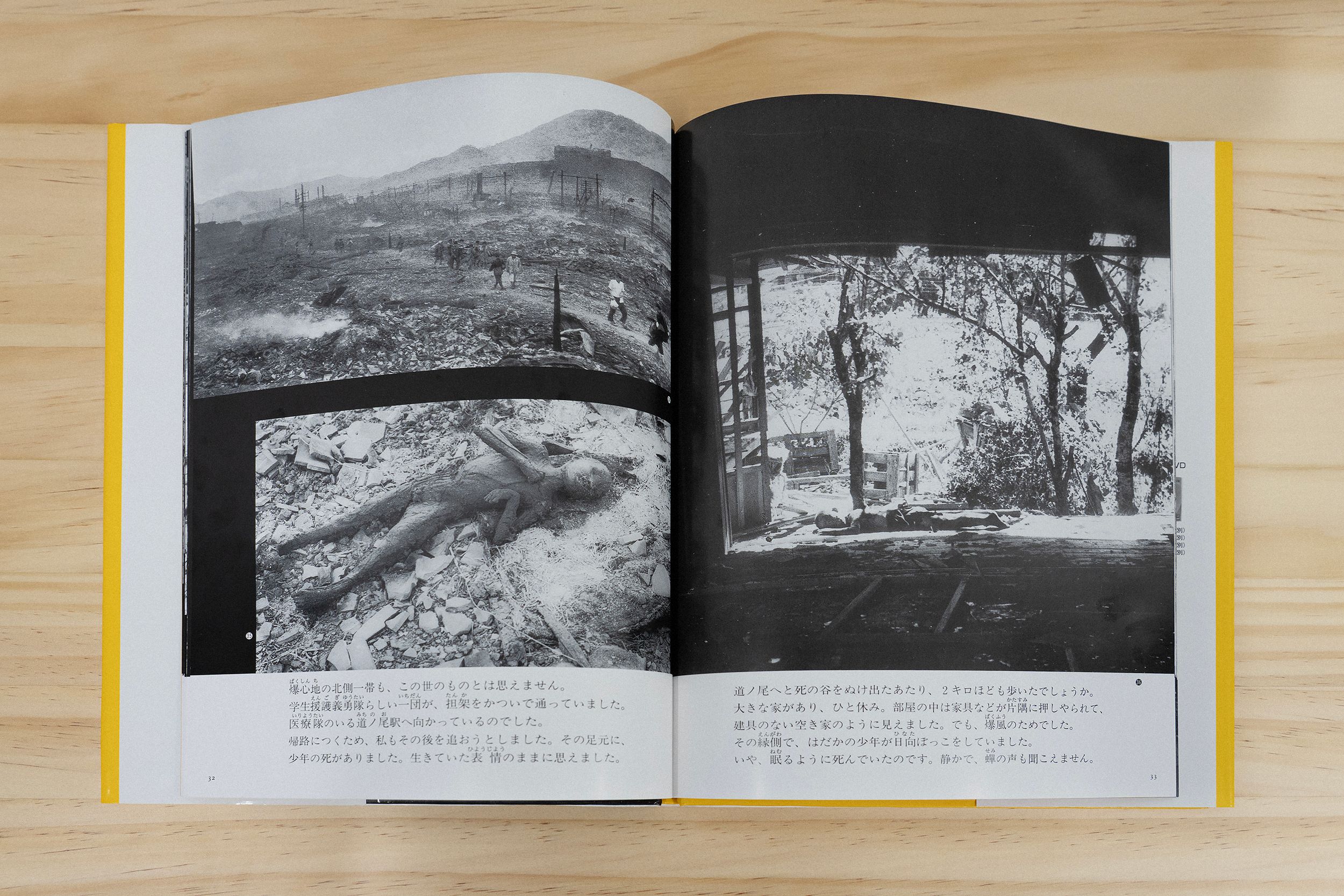
The core of this exhibition features "atomic bomb photographs," specifically the image of a young boy's charred corpse from the bombing of Nagasaki. This imagery has haunted Ohashi’s mind repeatedly since she first encountered it in a photobook during her childhood. Originally intending to create work addressing the atomic bomb as a source of trauma, Ohashi conducted a six-month residency in Hiroshima. Through practical research, including filming performances by hibakusha (atomic bomb survivors), she confronted the origin of her PTSD.
The result is a series of five drawings, all meticulously copying the exact same atomic bomb photograph. This act of repetitive transcription viscerally expresses how traumatic images dominate the artist's mind and daily life through relentless repetition. Transcending personal experience, these works offer a universal, physical understanding of what it means to carry psychological trauma.
This exhibition is also a direct response to the current sociopolitical climate. Amidst the controversy surrounding Prime Minister Sanae Takaichi's recent remarks on a "Taiwan contingency," the reality of war draws ever closer to those living in Japan. By confronting the atomic bomb—a symbol of the devastation Japan suffered—Ohashi attempts to find hope within these gloomy social conditions through the act of drawing.
Ultimately, this work casts a critical question against the aggressive posture of a society that seems poised to repeat history, challenging the nation's slide toward belligerence against its Asian neighbors.
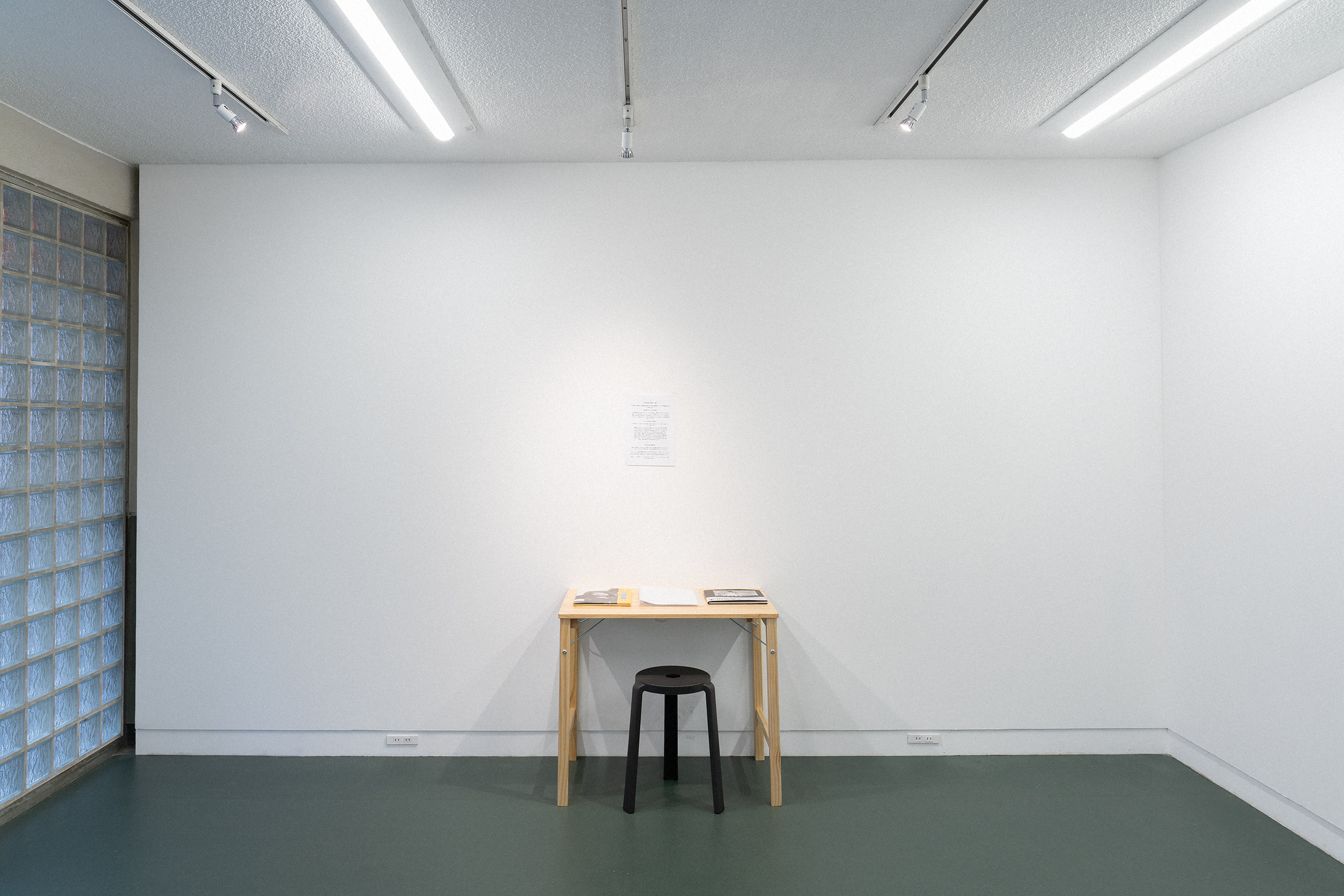
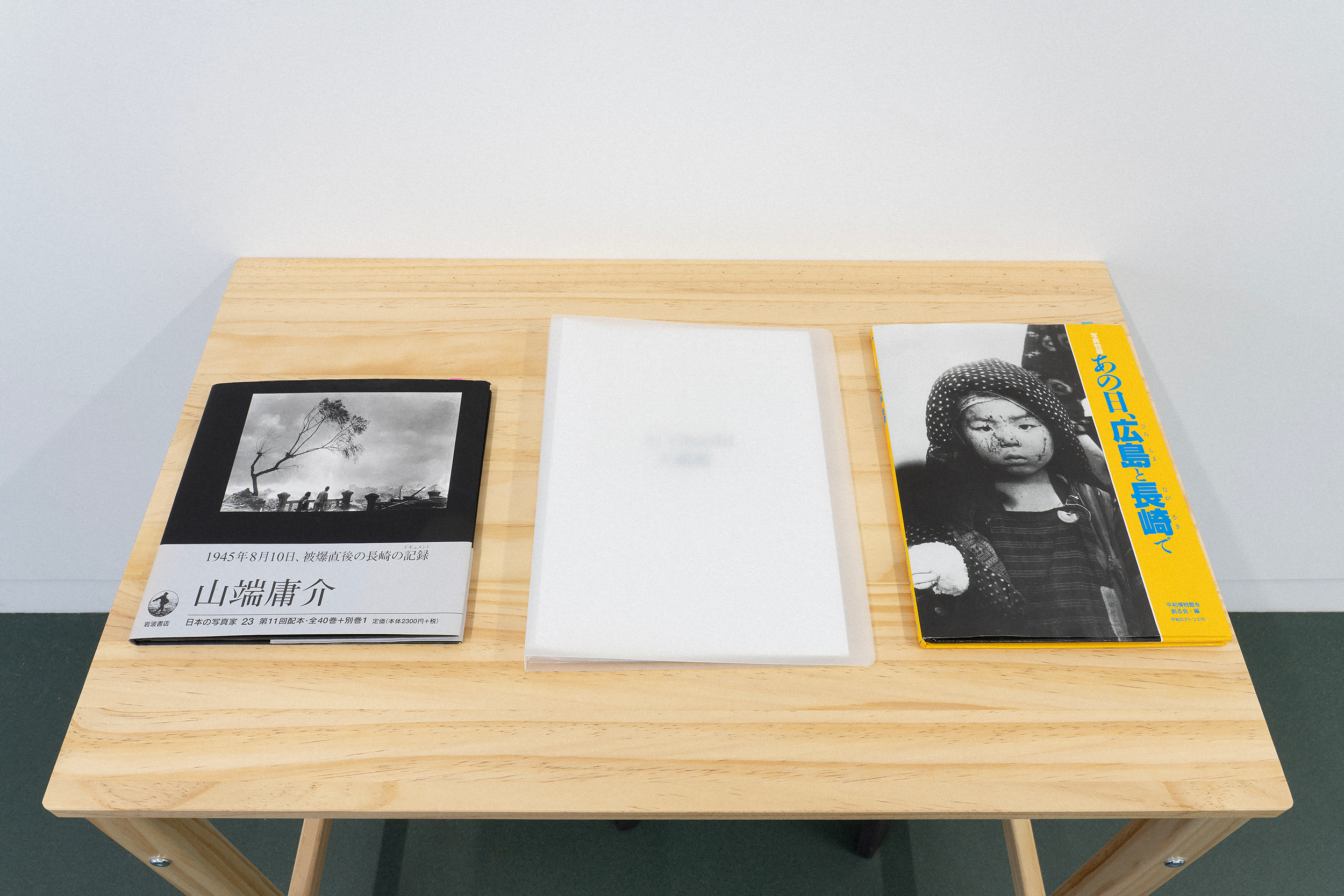
References and Materials
Viewer Discretion Advised: Please note that these materials contain numerous graphic photographs capturing the devastating aftermath of the atomic bombings.
1. Photographic Story: That Day in Hiroshima and Nagasaki
(Edited by the Association to Establish the Peace Museum / Published by Heiwa no Atelier)
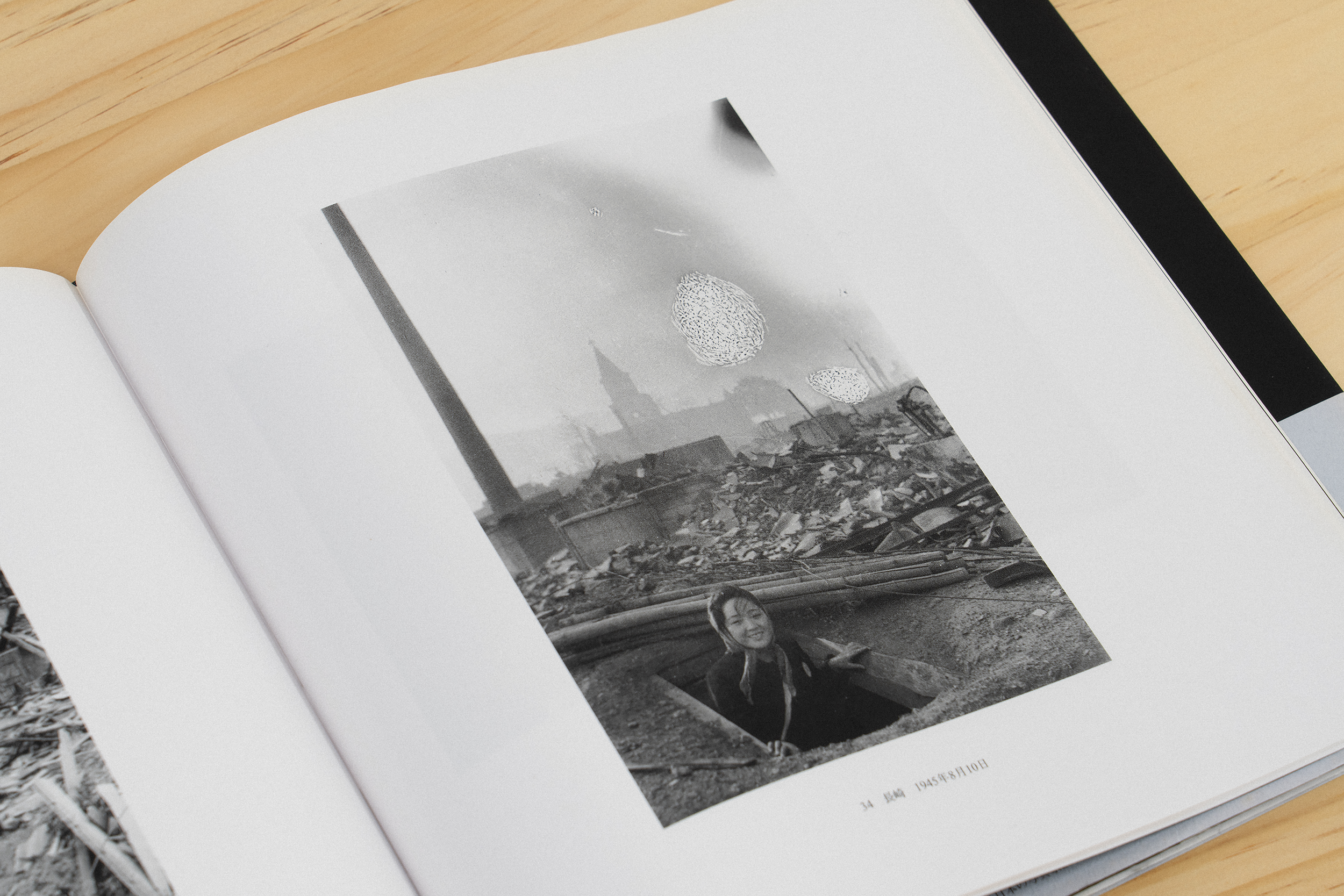
This is the book that first introduced the artist, Ai Ohashi, to the reality of the "atomic bomb" when she was in elementary school. Many of the photographs included in this book—including the image of the young boy killed in Nagasaki, which serves as a central theme of this exhibition—were taken by photographer Yosuke Yamahata (1917–1966). All drawing works in this exhibition are based on meticulous reproductions of Yamahata’s photographic works.
2. Japanese Photographers 23: Yosuke Yamahata
(Published by Iwanami Shoten)
This is a definitive collection of Yosuke Yamahata's work in Japan. The following is an excerpt of his profile from this book:
Yosuke Yamahata (1917–1966) The more than 100 photographs Yamahata took in Nagasaki on August 10, 1945—just one day after the atomic bombing—remain valuable records that possess a powerful ability to deeply shake our souls even today. At the time, Yamahata belonged to the Western Army News Corps and headed to Nagasaki immediately upon receiving the initial report of a "new type of bomb" drop. Arriving near the hypocenter in the early hours of the 10th, he held his camera all day, continuing to photograph the utterly gruesome conditions.
The body of images Yamahata captured while remaining a dispassionate recorder possesses unparalleled realism. In 1952, when the GHQ press code restrictions on atomic bomb coverage were lifted, the photo book Documentary Photographs: Nagasaki of the Atomic Bomb (Daiichi Shuppansha) was compiled from his carefully preserved negatives, causing a great shock to society. Since then, his records have continued to play a vital role in conveying the tragedy of the atomic bomb through photo books and exhibitions.
Historical Context and International Recognition
Yosuke Yamahata’s atomic bomb photographs were received with immense shock and high acclaim, not only in Japan but internationally. In 1952, his work graced the cover of LIFE magazine in the US, making the devastation of the atomic bomb known to the world.
His work is also collected and exhibited at The Museum of Modern Art, New York (MoMA) and was selected for the legendary exhibition The Family of Man, curated by Edward Steichen in 1955. This exhibition toured the world, attracting over 9 million visitors, and remains one of the most influential exhibitions in the history of photography.
This exhibition is an attempt to reconstruct these historical images as anatomical charts of "personal trauma" and "societal curses" in the contemporary age.